


Colors Influence Branding & Customer Emotions Colors are more than just visual elements — they are powerful psychological triggers that influence how customers feel, think, and react to a brand. Whether it’s the excitement of red, the trust of blue, or the elegance of black, colors shape brand identity and create emotional connections that drive customer behavior.
In this blog, you’ll discover how different colors influence branding and how small businesses can choose the right shades to attract the right audience.
1. Why Color Psychology Matters in Branding
Colors affect 70–90% of a customer’s first impression.
They influence decisions such as:
- Whether customers trust your brand
- How professional your business looks
- Whether people feel excited, calm, or curious
- How likely they are to buy
A strong color palette helps your brand become memorable, consistent, and emotionally appealing.
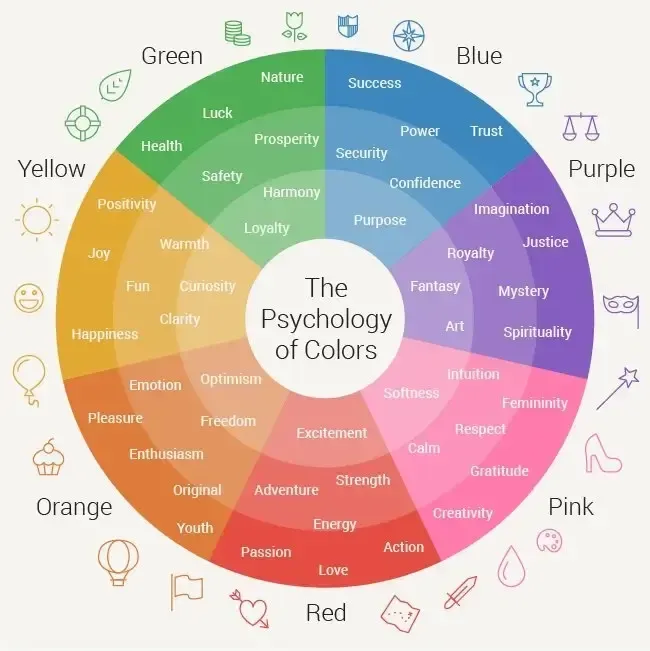
2. What Different Colors Mean in Branding


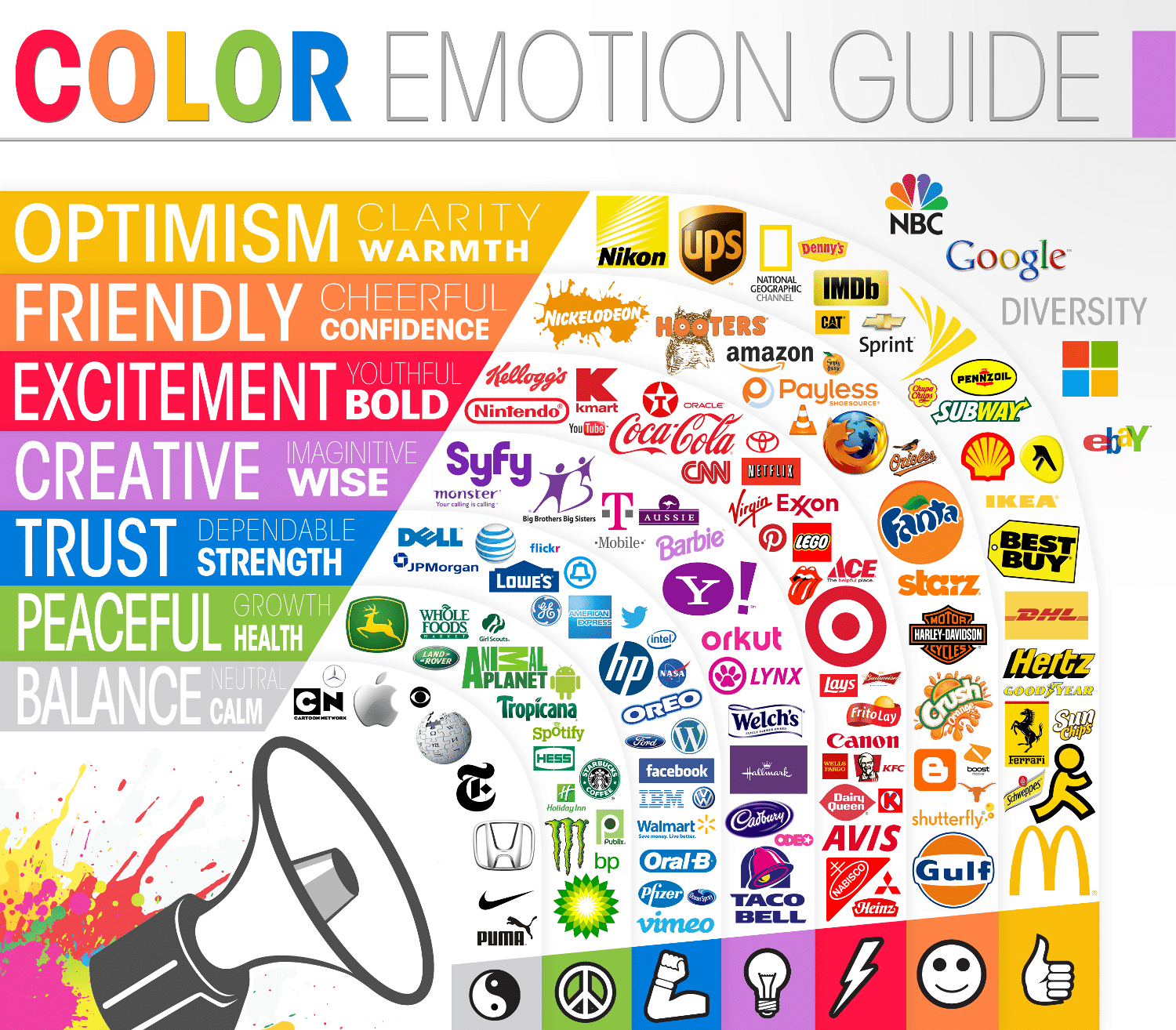
🔴 Red – Energy, Passion, Urgency
Used by brands like Coca-Cola & YouTube.
Perfect for: food brands, clearance sales, entertainment.
🟡 Yellow – Happiness, Optimism, Youthfulness
Great for attracting attention.
Perfect for: kids’ brands, creative agencies, cafes.
🔵 Blue – Trust, Security, Professionalism
Used by banks, tech companies, and healthcare.
Perfect for: corporate, finance, IT, education.
🟢 Green – Growth, Nature, Calmness
Symbolizes freshness and health.
Perfect for: organic brands, eco-products, wellness.
🟣 Purple – Luxury, Creativity, Royalty
Used for premium and beauty brands.
Perfect for: cosmetics, high-end services, design studios.
🖤 Black – Power, Sophistication, Elegance
Modern & luxurious feel.
Perfect for: fashion, luxury, technology.
⚪ White – Purity, Simplicity, Minimalism
Clean and professional.
Perfect for: tech, healthcare, lifestyle brands.
3. How Color Can Shape Customer Emotions
Colors influence how customers feel when they see your brand.
- Warm colors (red, orange, yellow) create excitement and urgency.
- Cool colors (blue, green, purple) bring calmness and trust.
- Neutral colors (black, white, gray) build sophistication and balance.
Choosing the right combination can boost customer engagement and purchase intent.
4. Colors Influence Branding & Customer Emotions Using Colors to Define Your Brand Personality
Ask yourself:
- Is your brand fun or professional?
- Is it luxury or budget-friendly?
- Do you want customers to feel excited, safe, or calm?
Your answers determine your perfect color palette.
For example:
- A kids’ brand should use bright colors (yellow, orange).
- A financial service should use trust-building colors (blue).
- A luxury brand should use black, gold, or deep purple.
5. Colors Influence Branding & Customer Emotions Maintaining Color Consistency Across All Platforms
Once you choose a color palette, use it everywhere:
- Logo
- Website
- Social media posts
- Packaging
- Advertisements
- Store interiors
Consistency builds recognition — and recognition builds trust.
Final Thoughts
Colors are a powerful part of branding. They shape how customers feel, connect, and respond to your business. By understanding color psychology and using the right color palette, small businesses can create a brand identity that stands out and influences customer emotions in the right way.